If you are thinking about investing by leasing at Optima McDowell Mountain, the opportunity is exciting, but it is not as simple as buying a unit and listing it for rent. In a community like this, the upside comes from a mix of premium design, strong lifestyle appeal, and North Scottsdale location, while the real guardrails come from condo documents and local rental rules. If you want to understand where the value may be and what to verify before you move forward, this guide will help you sort through the essentials. Let’s dive in.
Why Optima McDowell Mountain Stands Out
Optima McDowell Mountain is a major mixed-use development in North Scottsdale within the Greater Scottsdale Airpark area. According to Optima McDowell Mountain, the 22-acre project is planned for 1,330 residences along with 36,000 square feet of retail and restaurant space.
The community is already active in phases. Optima states that Tower 7220 is now leasing 210 rental residences from studios to three-bedroom floorplans, with monthly pricing starting at $2,900 and extending beyond $10,000, and that the first residents were welcomed in late 2025. The developer also notes that the first condominium tower is scheduled for summer 2027.
For an investor, that matters because you are not evaluating an isolated building. You are looking at a larger lifestyle-driven environment with a built-in identity, future residential scale, and planned commercial activity that can help support long-term appeal.
Leasing Strategy Starts With Compliance
The strongest investment case here is not just about rent potential. It is about whether your intended leasing plan actually fits the governing rules.
Under Arizona condominium law, a unit owner may rent their condo unless the declaration prohibits it. That same law also makes clear that owners must follow any rental time-period restrictions written into the declaration.
This is the key first step if you are considering a future condo purchase at Optima McDowell Mountain. Before you rely on projected lease income, you will want to confirm exactly what the condominium declaration allows, especially around minimum lease terms, occupancy standards, and any association procedures.
Arizona law also limits what an association can require from landlords and tenants. The association may request adult occupants’ names and contact information, lease dates, and vehicle information, but it may not require the lease itself, a credit report, or a rental application. Owners may also designate a third-party agent to handle association matters.
Short-Term Rentals Need Extra Review
If your investment plan involves stays of less than 30 days, the rules become more specific. The City of Scottsdale short-term rental rules require a city license for each property, a state TPT license, neighbor notification, at least $500,000 in liability coverage, and Maricopa County registration before occupancy.
Scottsdale also states that its short-term rental licensing process applies only to stays under 30 days. The city further notes that these rentals are subject to an additional 5.0% transient tax, and HOA rules may still restrict or regulate short-term use.
In plain terms, that means short-term leasing is not something to assume. Even if city rules provide a path, the condominium declaration and HOA restrictions are still the gating items.
Why the Rent Story Is Compelling
Once compliance checks out, the leasing case gets more interesting. Optima McDowell Mountain is positioned in a premium section of Scottsdale, and the surrounding data helps explain why above-average rents may be realistic.
According to U.S. Census QuickFacts for Scottsdale, the city’s 2020 to 2024 ACS data shows a median household income of $110,886, per capita income of $86,009, and a 96.2% broadband subscription rate. The same source reports that 61.9% of residents age 25 and older hold a bachelor’s degree or higher.
Those figures do not guarantee tenant demand for any one building, but they do support the idea of a well-qualified renter base in Scottsdale, including residents whose work and lifestyle may align with high-amenity, connected living. The broadband figure is especially notable for renters who work remotely or need reliable home-office functionality.
The ZIP code context adds another layer. HUD’s 2025 small-area fair market rent for 85255 is $2,520 for a one-bedroom and $2,930 for a two-bedroom, placing the area in a premium rent band relative to Scottsdale’s citywide median gross rent.
Location Supports Lifestyle Demand
Optima McDowell Mountain also benefits from its placement in a growth-oriented part of Scottsdale. The City of Scottsdale’s Greater Airpark planning information describes the Greater Airpark as the city’s largest industrial-zoned area, a nationally recognized model for airport-based business parks, and a designated growth area.
That planning context matters because many renters are choosing more than square footage. They are choosing convenience, access, and daily routine. In 85255, that can mean proximity to major employment areas as well as access to the McDowell Sonoran Preserve trail network and trailheads, which adds another layer of lifestyle appeal.
For an investor, this supports a practical thesis: a professionally active and lifestyle-oriented renter profile may be drawn to a community that blends service, wellness, and location in one place.
Amenities Can Support Premium Leasing
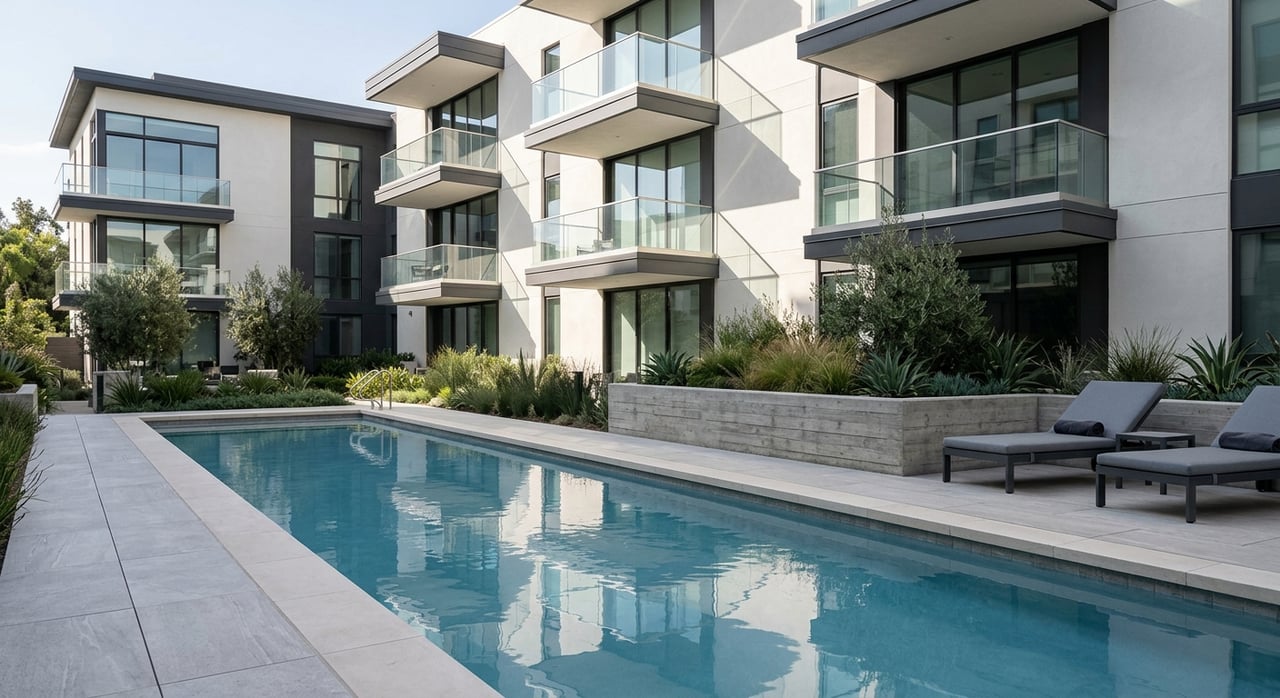
At Optima McDowell Mountain, the amenity package is a major part of the leasing story. According to Optima’s apartment amenities page, residents have access to a heated Olympic-length rooftop pool, sauna, spa, cold plunge, yoga spaces, fitness and Pilates studios, pickleball, basketball, a golf simulator, movie theater, business center, children’s play spaces, covered dog park, and pet spa.
The service model is equally notable. Optima says residents also receive around-the-clock door staff, in-home package delivery, grocery and dry-cleaning services, curated social programming, and app-based access to services such as housekeeping and massage appointments.
That combination can matter in a premium lease environment because renters at this price point are often comparing more than finishes. They are comparing convenience, hospitality, and whether the building can simplify day-to-day life.
Future Condo Investors Should Watch Product Positioning
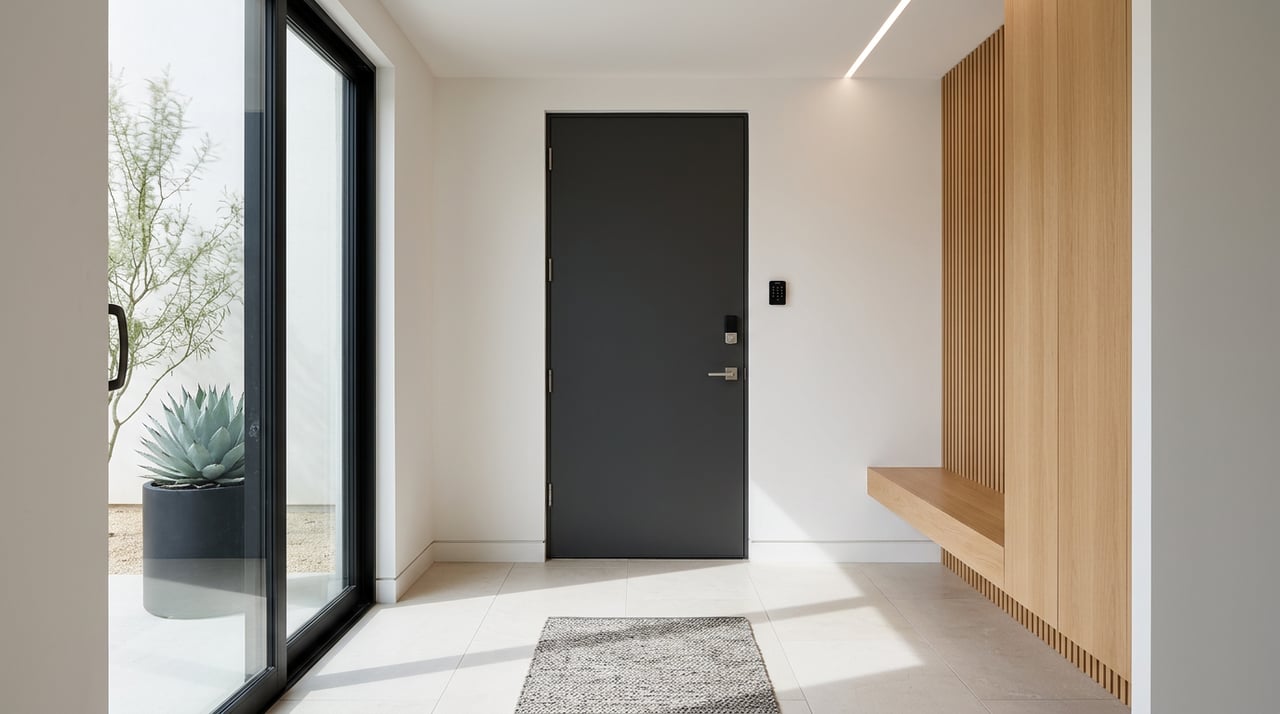
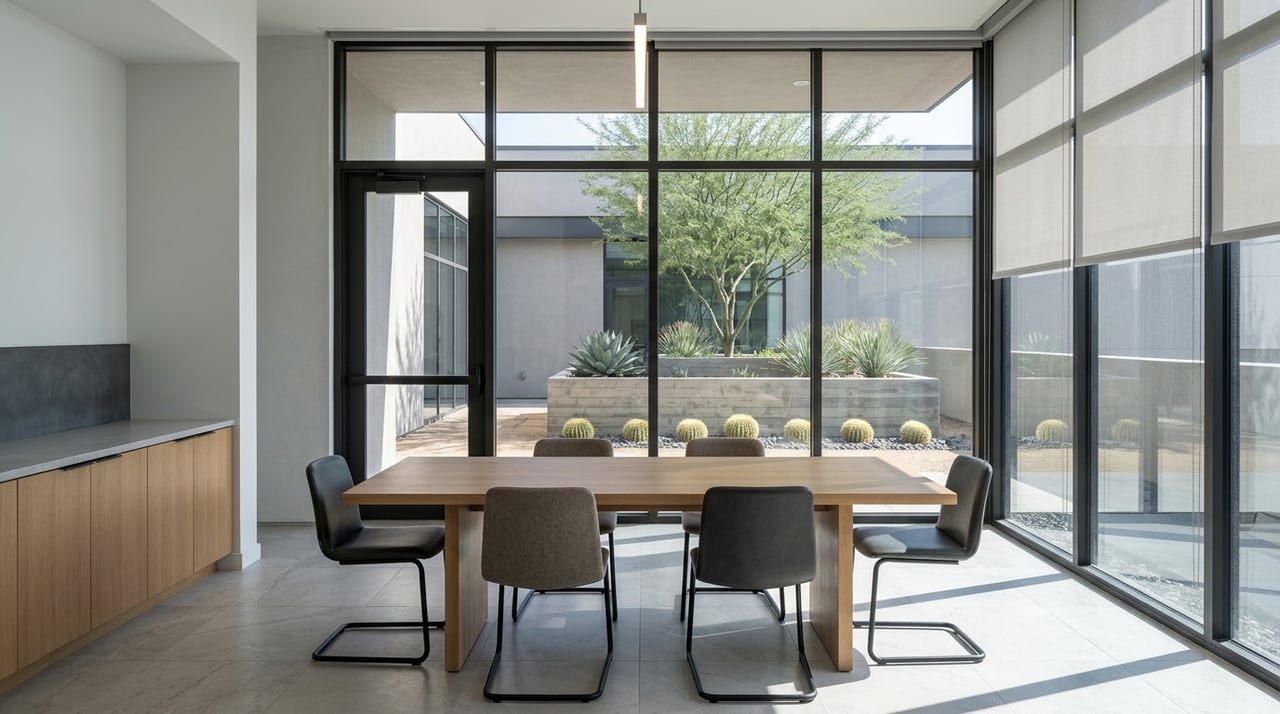
For buyers considering the condominium component, product quality may help shape long-term leasing interest, subject to the declaration and HOA rules. Optima’s condominium residence information highlights features such as floor-to-ceiling windows, private terraces, smart-home technology, premium appliances, generous storage, and customizable finishes.
These details matter because leasing demand at the upper end of the market often depends on how well a residence competes with both rental inventory and other luxury ownership options. Design, storage, outdoor space, and technology can influence how a unit performs once it is available for lease.
Still, it is smart to separate product appeal from leasing permission. A beautifully designed condo may still be a poor investment vehicle if the governing documents limit the type of leasing you intend to do.
What to Review Before You Buy
If you are evaluating Optima McDowell Mountain as a lease-driven investment, here is where to focus first:
- Condominium declaration for rental permissions and minimum lease terms
- HOA rules and policies for any added leasing procedures or restrictions
- Your target lease type, especially whether it is 30 days or longer, or under 30 days
- City compliance requirements if short-term rental use is part of your plan
- Carrying costs and rent projections based on realistic premium-market assumptions
- Unit-specific appeal, including floorplan, view, storage, outdoor space, and finish package
This kind of review helps you avoid a common mistake: buying for flexibility that may not actually exist on paper.
A Smart Investor Mindset Here
The clearest takeaway is this: Optima McDowell Mountain looks strongest as a premium, compliance-sensitive leasing play. The community’s amenity stack, service profile, and North Scottsdale location support the idea of above-average rent potential, but the real decision point is whether your intended rental strategy aligns with the condo declaration and Scottsdale rules.
That is where specialized guidance can make a real difference. In a project with strong design, phased development, and a luxury condo audience, details matter. Lease term rules, future inventory timing, and unit selection can all shape whether the numbers and the ownership experience make sense for you.
If you are exploring a condo purchase at Optima McDowell Mountain and want a clear, concierge-level view of how leasing strategy, building rules, and unit selection fit together, Julie Jarmiolowski can help you evaluate the opportunity with local Optima-focused insight.
FAQs
Can you lease a condo at Optima McDowell Mountain?
- Arizona law allows condo owners to rent unless the declaration prohibits it, so you will need to review the specific condominium declaration and any HOA rules before relying on a leasing plan.
Are short-term rentals allowed at Optima McDowell Mountain?
- Stays under 30 days require Scottsdale licensing, tax, insurance, and registration compliance, and HOA or condo rules may still restrict or regulate that use.
Why is 85255 attractive for premium leasing?
- The ZIP code sits in a premium rent band based on HUD fair market rent figures, and the area benefits from Greater Airpark growth context plus access to lifestyle amenities and trail networks.
What makes Optima McDowell Mountain appealing to renters?
- The project offers a high-end amenity and service package, including wellness spaces, sports facilities, door staff, delivery support, and app-based resident services.
When will condos be available at Optima McDowell Mountain?
- According to Optima, the first condominium tower is scheduled for summer 2027.
What should you review before buying an Optima McDowell Mountain condo as an investment?
- You should review the condominium declaration, HOA leasing rules, your intended lease duration, city requirements for any short-term use, and realistic rent and carrying-cost assumptions.